Adopt Change exists to ensure all children have access to a safe, nurturing and permanent family home and that families with children who have experienced trauma are well supported.
Sadly, many children globally and within Australia do not have this need met. Globally there are approximately 18 million orphans who have lost both parents. Within Australia there are almost 40,000 children who have been living away from their birth parents (usually due to abuse or neglect) for over two years, unlikely to return home. Many of these children in the Australian out of home care system move too many times (some over twenty times), missing out on having a permanent place to call home, and missing out on growing up with a family. Instead, these children experience a range of negative outcomes during childhood and in later life including difficulties with education and relationships, interactions with the justice system, poor health, early pregnancy and homelessness.
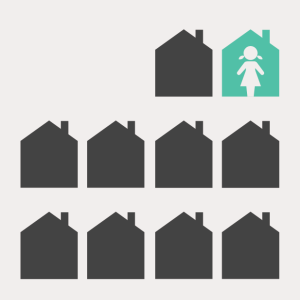
There are more than 46,200 children in out-of-home care in Australia
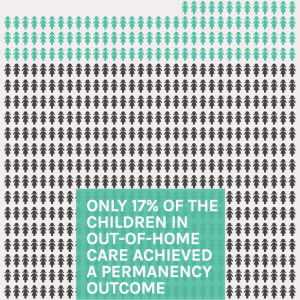
Around 31,400 children have been in out-of-home care for 2 years or more
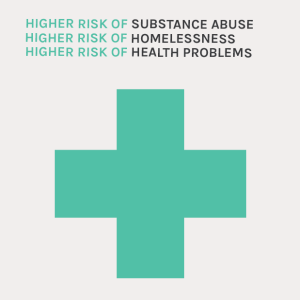
Higher risk of substance abuse, homelessness and health problems
Source: Child Protection Report 2020/21
There are a number of steps that need to be taken to provide children with genuine security, healthy attachments and practical permanency. In many cases, adoption would provide this option to children, who instead, are condemned to a childhood in limbo, having their rights denied. Often they don’t have access to the supports they need during childhood or in later life, to assist them with recovering from their trauma.
Permanency is critical to a child’s development and future prospects
This is particularly the case for children who have experienced trauma, as all children in care typically have. Children who have had an experience with impermanent care are three times more likely to suffer from drug and alcohol addiction, four times more at risk to diabetes and five times more at risk to heart disease. They have increased chances of experiencing homelessness, mental health problems and difficulty finding stable employment.
Adoption is a pathway to permanency for at risk children
Permanency and meaningful adult attachment are necessary for a child to experience a normal developmental trajectory. If reunification or placement with kin is not possible, adoption is a valid pathway to permanency for a vulnerable child. A US research project of 701 adoptees in the US found that better relationships between adoptive parents and adoptees correlated with less chance of truancy, substance abuse, school suspension or contact with the police.
Barriers to adoption in Australia
Australian child protection policy and practice fails to provide permanent solutions for the majority of children in need of a home. Adoption in Australia is a lengthy and difficult process. Adopting a child takes years from the time a family decides to adopt, to the time when an adoption is finalised. More importantly, it takes too long for many of the children in care who could benefit from adoption. Often potential adoptive parents are already the long-term carers of the children that they wish to adopt, and yet in many cases adoption is near impossible.
Adopt Change supports families who have experienced trauma, struggles with the adoption system and need to connect in relation to issues they are experiencing.